Recognizing the Advantages of Bulk Containers in Enhancing Product Handling and Circulation Procedures
Bulk containers play an essential function in maximizing item handling and circulation. Their design promotes reliable inventory management and lessens waste, resulting in cost savings. Additionally, these containers boost transportation efficiency and improve product safety and security during transit. As industries continue to look for lasting solutions, the adaptability of mass containers becomes progressively appropriate. Exploring their numerous advantages discloses understandings that can transform operational approaches across supply chains. What might these insights involve for future techniques?
The Function of Mass Containers in Inventory Monitoring
Bulk containers play a necessary role in supply management by improving the storage space and transportation of huge quantities of goods. These containers facilitate reliable organization and very easy access to items, thus lowering the time invested locating products within stockrooms. Their standard sizes and styles allow for ideal use space, maximizing storage capacities. Additionally, mass containers enhance the accuracy of supply monitoring, as they can be quickly classified and scanned for supply monitoring systems. The robust nature of these containers safeguards goods from damage during handling and transit, making sure item integrity. Overall, mass containers add considerably to a much more arranged, effective, and dependable inventory administration process, sustaining services in fulfilling demand and preserving functional performance.
Cost-Effectiveness of Bulk Containers
The cost-effectiveness of bulk containers plays a significant function in modern item handling. By lessening product packaging expenses and maximizing transport logistics, businesses can accomplish substantial savings. This financial performance not only improves profitability but likewise adds to streamlined operations.
Lowered Packaging Expenses
Numerous businesses find that utilizing mass containers notably lowers product packaging costs. By settling items into larger containers, companies can significantly decrease the amount of packaging material required. This reduction not only lowers the expenses connected with purchasing packaging materials however likewise minimizes garbage disposal expenditures. Additionally, mass containers streamline the packing process, enabling faster and more effective packaging operations. Because of this, labor costs associated with handling smaller sized plans are also lowered. The longevity of mass containers frequently leads to fewer product problems during transit, thereby decreasing the requirement for substitute packaging. Overall, the fostering of mass containers stands for a calculated strategy to lowering product packaging expenses while improving operational performance
Reliable Transportation Cost Savings
Significant savings in transportation prices can be accomplished with making use of bulk containers. By making best use of tons capacities, bulk containers reduce the variety of journeys required to carry items, causing lower gas expenditures and minimized labor costs. Their standard dimensions facilitate effective packing and stacking, maximizing space within transport automobiles. Additionally, mass containers usually consider less than conventional packaging, allowing for increased hauls without exceeding weight limitations, further boosting price performance. The resilience of these containers decreases product damages throughout transit, decreasing losses and returns. In general, the integration of bulk containers in logistics not just streamlines transportation processes but also substantially adds to cost-effectiveness, making them a vital part in modern-day supply chain administration.
Lessening Waste With Bulk Containers
Mass containers play a necessary role in reducing waste within item handling systems. By minimizing product waste and promoting effective resource use, these containers contribute greatly to sustainability efforts. This change in the direction of lasting product packaging options not just profits the setting but also enhances functional efficiency.
Lowering Material Waste
Reliable administration of material waste is a critical concern in product handling, and making use of bulk containers can play a critical function in addressing this issue. By increasing the volume of products transported at once, bulk containers considerably reduce the variety of deliveries needed, thus lessening excess product packaging waste. Their robust layout additionally avoids splilling and damages throughout transit, additional limiting material loss - Shop Bulk Plastic Containers. Furthermore, mass containers are usually recyclable, promoting a circular economy that urges sustainability. The standardization of these containers simplifies stock management and decreases the threat of over-ordering, which can bring about waste. As organizations undertaking for effectiveness, taking on bulk containers becomes an effective strategy for lowering product waste in different circulation processes
Efficient Source Use
While aiming for optimal performance, several organizations discover that the application of bulk containers significantly improves source management. These containers assist in streamlined procedures by reducing the regularity of managing and transport, which consequently decreases the chance of product loss and damage. By combining materials right into bigger units, firms can maximize storage space and minimize the need for too much packaging. This strategy not just reduces product prices however likewise decreases labor related to handling smaller plans. Furthermore, bulk containers commonly have a longer life-span contrasted to standard packaging, bring about lower substitute rates and minimized waste. Inevitably, the adoption of mass containers cultivates a much more effective use of sources, adding to enhanced operational performance and cost savings in the supply chain.
Sustainable Packaging Solutions
A significant benefit of making use of mass containers lies in their potential to lessen waste in packaging processes. These containers are made for reuse, significantly minimizing the need for single-use product packaging products, which add to ecological deterioration. By settling product storage space and transportation, bulk containers optimize area and lower the general quantity of products required, thus decreasing the carbon impact connected with manufacturing and throwing away standard product packaging. In addition, their longevity guarantees that they can hold up against numerous journeys, advertising a circular economic climate. As organizations significantly embrace sustainable techniques, the assimilation of bulk containers right into supply chains represents a you could try this out positive technique to decreasing waste and boosting performance, ultimately sustaining wider environmental goals and company social obligation campaigns.
Enhancing Transport Effectiveness
Maximizing transportation performance is crucial for organizations making use of mass containers in product handling. Mass containers are developed to maximize room utilization during transportation, permitting for bigger quantities of items to be delivered all at once. This decrease in trips converts to decrease transportation prices and reduced carbon emissions, adding to more sustainable logistics methods. In addition, the uniformity of mass containers improves packing and dumping procedures, reducing handling time and labor expenses. Their strong building and construction additionally supplies security versus damage, reducing losses throughout transit. As an outcome, companies can accomplish quicker turn-around times, improving general supply chain effectiveness. By applying mass containers, businesses can greatly boost their transportation logistics, ultimately leading to enhanced earnings and an one-upmanship in the industry.
Improving Item Safety And Security and Quality
Guaranteeing item security and quality is paramount for companies that use bulk containers in product handling, as these containers are particularly developed to secure materials throughout storage and transportation. The robust construction of bulk containers safeguards items from ecological aspects such as dust, contamination, and dampness, which can jeopardize integrity. Additionally, their closed seals minimize direct exposure to air, consequently maintaining quality and protecting against putridity. Bulk containers promote conformity with safety guidelines by providing clear labeling and traceability, which are vital in various markets, consisting of food and drugs. By utilizing mass containers, business can efficiently minimize the risk of damages throughout transportation and handling, ensuring that items reach their location in prime condition, thus enhancing customer contentment and trust.
Convenience and Versatility of Bulk Containers
Mass containers use impressive versatility and flexibility, making them ideal for a wide variety of applications and markets. Their design enables the reliable handling of numerous materials, consisting of liquids, powders, and granules, dealing with fields such as food, pharmaceuticals, and chemicals. These containers can be easily changed or personalized to meet particular operational demands, helping with seamless assimilation right into existing supply chains. In addition, their stackable nature optimizes storage room, improving stockroom effectiveness. The capability our website to hold up against various environmental conditions further prolongs their use throughout diverse settings, from producing to transport. This flexibility not just improves logistics but likewise supports companies in conference changing demands, underscoring the relevance of mass containers in modern product taking care of systems.
Sustainability Benefits of Making Use Of Bulk Containers
The flexibility of bulk containers not just improves functional performance however also adds greatly to sustainability initiatives throughout different markets. By decreasing the need for single-use product packaging, bulk containers lessen waste generation, causing a reduced ecological footprint. Their recyclable nature enables firms to substantially reduce product consumption, while their layout promotes effective transport, reducing fuel usage and greenhouse gas exhausts. Furthermore, mass containers can be quickly cleansed and repurposed, better expanding their lifecycle and diminishing the requirement for new manufacturing sources. This sustainable method straightens with growing customer choices for environment-friendly practices, enabling services to boost their brand image while sustaining ecological stewardship. Generally, the implementation of bulk containers cultivates an extra lasting design for item handling and distribution.
Frequently Asked Questions
What Products Are Mass Containers Normally Made From?
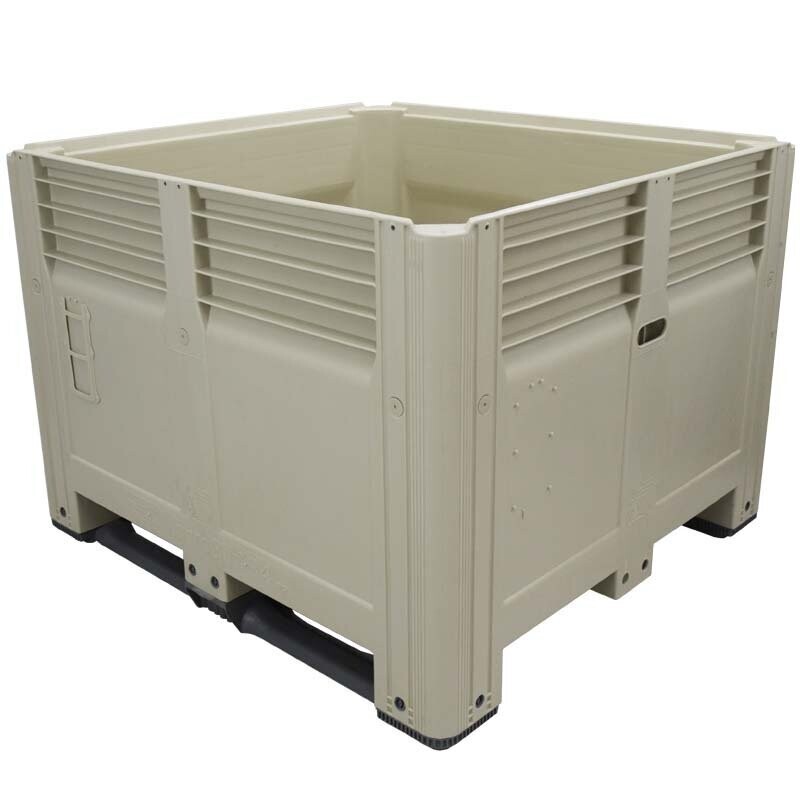
Mass containers are commonly made from products such as plastic, steel, timber, or composite materials. These choices depend on the container's intended usage, longevity demands, and the kinds of products being saved or transferred.
How Do Mass Containers Comply With Market Rules?
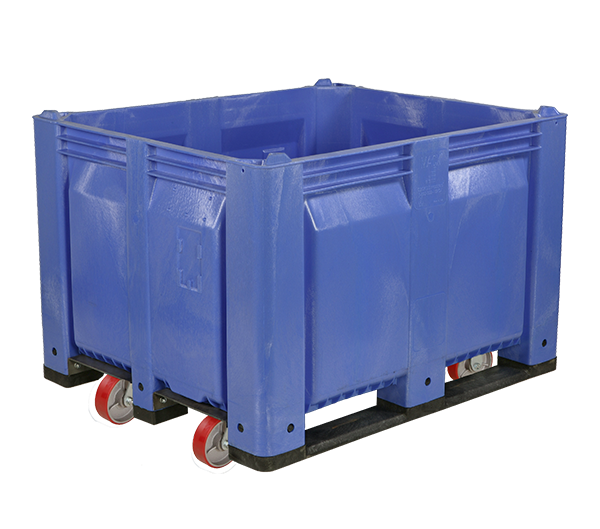
Mass containers follow industry policies by adhering to safety and security requirements, using approved products, and guaranteeing appropriate labeling. Routine evaluations and qualifications additionally guarantee they meet health and wellness, environmental, and transport guidelines, securing item stability throughout the supply chain.
Can Mass Containers Be Custom-made for Details Products?
Yes, bulk containers can be tailored for certain items. Producers usually make them to meet unique specifications, making sure compatibility with numerous materials, boosting defense, and enhancing efficiency throughout handling and distribution tailored to certain industry demands.
What Is the Typical Lifespan of a Mass Container?
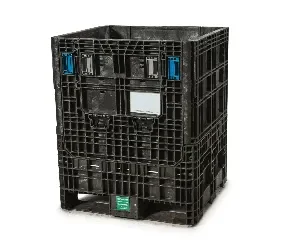
The average life expectancy of a mass container generally ranges from 5 to 20 he said years, relying on the materials made use of, frequency of usage, and maintenance methods. Correct care can greatly extend its usability and performance.
Just how Do I Clean and Maintain Mass Containers Properly?
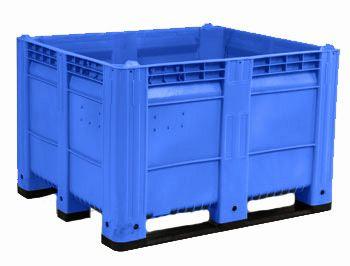
The toughness of bulk containers usually leads to less product problems during transit, consequently reducing the need for substitute product packaging. Effective monitoring of product waste is a critical problem in product handling, and utilizing bulk containers can play a pivotal role in addressing this problem. By combining product storage and transportation, bulk containers optimize room and reduce the overall quantity of products required, thus decreasing the carbon impact linked with manufacturing and disposing of typical packaging. Enhancing transportation efficiency is crucial for organizations utilizing bulk containers in product handling. Ensuring item safety and security and top quality is extremely important for services that use mass containers in product handling, as these containers are particularly made to secure components during storage space and transport.